

Soldering Iron Tips
Soldering iron tips are essential components of any soldering tool, playing a critical role in transferring heat efficiently from the iron to the workpiece. Their shape, size, material, and coating all influence how well they perform in different applications. A good soldering tip helps create clean, accurate, and reliable solder joints, whether the user is working on electronics, electrical wiring, jewelry, or small repair tasks.One of the most important features of a soldering iron tip is its ability to conduct heat quickly and evenly. Most high-quality tips are made with a copper core because copper has excellent thermal conductivity. To improve durability and prevent rapid wear, the copper core is usually coated with iron, nickel, chromium, or other protective layers. This coating helps resist corrosion and oxidation, which are common problems when tips are exposed to high temperatures and molten solder. Without proper protection, the tip surface can degrade, reducing heat transfer and shortening the tip’s life.Soldering iron tips come in many shapes to suit different jobs. A conical tip has a fine point and is useful for precision work, especially on small electronic components. A chisel tip has a flat, broader surface that can transfer more heat and is often preferred for general-purpose soldering. A bevel tip offers a curved face that can hold a small amount of solder, making it useful for dragging solder across pads or large terminals. Knife tips, needle tips, and specialty shapes are also available for specific tasks that require more control or access to tight spaces. Choosing the right tip shape can improve both efficiency and soldering quality.Maintenance is key to keeping soldering iron tips in good condition. Before and after use, the tip should be cleaned gently with a damp sponge or brass wool to remove excess solder and oxidation. It is also important to keep the tip coated with a thin layer of solder during storage or idle periods, as this protective layer helps prevent oxidation. Overheating the iron can damage the coating and reduce tip life, so using the correct temperature is important. For delicate electronics, lower temperatures are often sufficient, while larger joints may need more heat.Proper tip selection depends on the material being soldered, the size of the joint, and the type of soldering work. For example, fine-pitch circuit board work requires a small, precise tip, while wire connections or connectors may need a larger tip with better heat capacity. Using the wrong tip can make soldering slower and less effective, and it may also risk damaging components or lifting circuit pads.In summary, soldering iron tips are small but vital tools that greatly affect soldering performance. A well-chosen and properly maintained tip improves heat transfer, solder flow, and overall workmanship. Whether for hobby use or professional repair, understanding soldering iron tips is the key to achieving clean, dependable results.
Products
Category:
-
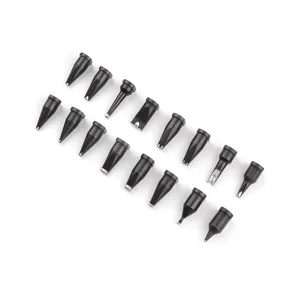
WE-DS Series / Weller Compatible Soldering Tips
Category: Automated Soldering AccessoriesBrowse number: 27Number:Release time: 2026-06-27 10:36:33The Weller Compatible Soldering Iron Tips are high-performance consumable components designed for automatic soldering machines and precision electronic assembly applications. These soldering tips are engineered with strict material control and advanced electroplating technology to ensure stable thermal conductivity, excellent corrosion resistance, and long service life under continuous industrial operation.
News
Category:
No search results found!
Case
Category:
No search results found!
Video
Category:
No search results found!
Download
Category:
No search results found!
Job
Category:
No search results found!
Featured Products
No search results found!



 Phone
Phone