

Electronic assembly line
An electronic assembly line is a highly organized production system used to manufacture electronic products and components efficiently and consistently. It combines human labor, automated machines, testing equipment, and quality control processes to turn raw materials and parts into finished electronic devices. This type of production line is widely used in the manufacturing of smartphones, computer parts, home appliances, circuit boards, sensors, and many other electronic products.The assembly line usually begins with the preparation of materials. Electronic components such as resistors, capacitors, integrated circuits, connectors, and printed circuit boards are delivered to the production area after inspection and sorting. These materials must meet strict quality standards before they enter the line. In many factories, components are stored in controlled environments to prevent damage from dust, moisture, or static electricity.Next comes the placement and assembly stage. Depending on the product, the process may involve surface mount technology, through-hole assembly, soldering, wiring, fastening, and module installation. Automated machines often perform precise tasks such as placing tiny components onto circuit boards at very high speed. Human workers may also be involved in tasks that require flexibility, careful adjustment, or detailed inspection. The combination of automation and manual work helps improve efficiency while maintaining accuracy.After assembly, the product moves through testing and quality assurance steps. Each electronic unit is checked to ensure it functions properly and meets design specifications. Tests may include electrical performance checks, circuit continuity tests, visual inspection, and functional verification. If a defect is found, the product is sent back for repair or adjustment. This stage is extremely important because even a small fault can affect the performance or safety of the final product.Packaging is the final step in the electronic assembly line. Once a product passes all inspections, it is cleaned, labeled, packed, and prepared for shipment. Packaging must protect the product from shock, vibration, moisture, and electrostatic damage during transportation and storage. Clear labeling also helps with inventory management and traceability.An electronic assembly line depends on teamwork, precision, and efficient coordination. Workers, engineers, and machines must all operate in harmony to maintain production speed and product quality. Modern assembly lines often use digital monitoring systems, robotic arms, and smart sensors to improve productivity and reduce errors. As technology continues to develop, electronic assembly lines are becoming more intelligent, automated, and flexible.In summary, an electronic assembly line is the foundation of modern electronics manufacturing. It allows complex products to be built quickly, accurately, and in large quantities while ensuring reliable quality and consistent performance.
Products
Category:
-
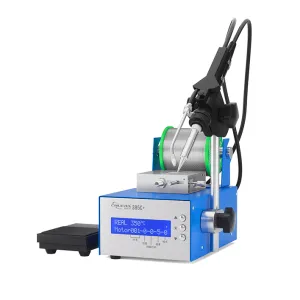
CHUERA-385C+ Digital Automatic Solder Feeding Station
Category: Smart Soldering EquipmentBrowse number: 32Number:Release time: 2026-06-25 14:42:32The 385C+ Digital Automatic Solder Feeding Station is a professional-grade soldering solution designed to improve soldering efficiency, consistency, and operator productivity in modern electronics manufacturing environments. Combining intelligent solder wire feeding technology with precise temperature control, the system provides a reliable and efficient solution for production lines, assembly workshops, repair stations, and electronic manufacturing facilities.
News
Category:
-
[industry news]Full Set Static Control Equipment for Electronic Assembly Li...
2026-06-10 17:37:52
Case
Category:

Video
Category:
No search results found!
Download
Category:
No search results found!
Job
Category:
No search results found!
Featured Products
No search results found!



 Phone
Phone